
One of the most enduringly popular posts on this blog was written twelve years ago and remains its top-performing piece. Even today, it attracts thousands of daily visitors from around the world seeking advice on perfecting their Italian tomato sauce.
I recently revisited this old post to reflect on how my sauce-preparing methods have evolved over the past twelve years. While some aspects have remained consistent, others have changed, driven by the necessity for greater time efficiency and my continual learning of new Italian methods along the way.
Let’s dive in—here’s how to craft tomato sauce like a true Italian, twelve years later and with a bit more wisdom under my belt, and no flashy photos, just the recipe. As I did twelve years ago, I still prefer not to measure my ingredients precisely; instead, I eyeball them and hope for the best.
Step 1: Gather the following ingredients: fresh or whole peeled Roma tomatoes, 1 large carrot, 2 stalks of celery, one medium-sized onion, garlic (to taste), dry or fresh oregano, parsley, fresh basil, tomato paste, and salt.
Step 2: Clean and chop all ingredients, leaving the garlic whole to add at the end.
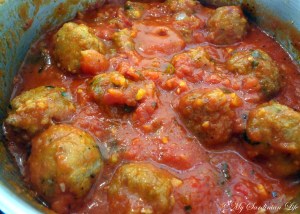
Step 3: Heat oil in a medium or large saucepan. Test the oil temperature by adding a small piece of onion; when it begins to bubble, add the remaining chopped onion, carrots, celery, and oregano. Let the mixture cook down over medium heat until the onions become slightly transparent.
Step 4: Incorporate fresh or canned Roma tomatoes. I personally opt for Roma tomatoes due to their resilient texture when cooked down, but choose whichever variety that works best with your taste preferences. Mix in tomato paste, followed by parsley, basil, and salt to taste. Add whole peeled garlic clove(s), stir well, and maintain on a low to medium heat setting.
Step 5: Simmer the sauce until the garlic becomes soft, about thirty minutes. In the past, I would let it simmer for 2 – 3 hours, but I now believe that’s too lengthy for today’s fast-paced lifestyle.
Step 6: Optional, use an immersion blender to gradually blend the sauce until no vegetable chunks remain. I lean towards a smoother sauce now as it’s more versatile for various Italian recipes. Blend to achieve your desired consistency.
Step 7: Serve and enjoy.
Did I overlook any key steps or ingredients? If you noticed any omissions or have additional suggestions, please share them in the comment section below. Your input is valued!
I’m not Italian, nor do I pretend to be one online or in real life. However, I married an Italian, and to my delight, he adores my sauce even more today than he did twelve years ago.
Explore the original post by clicking here.
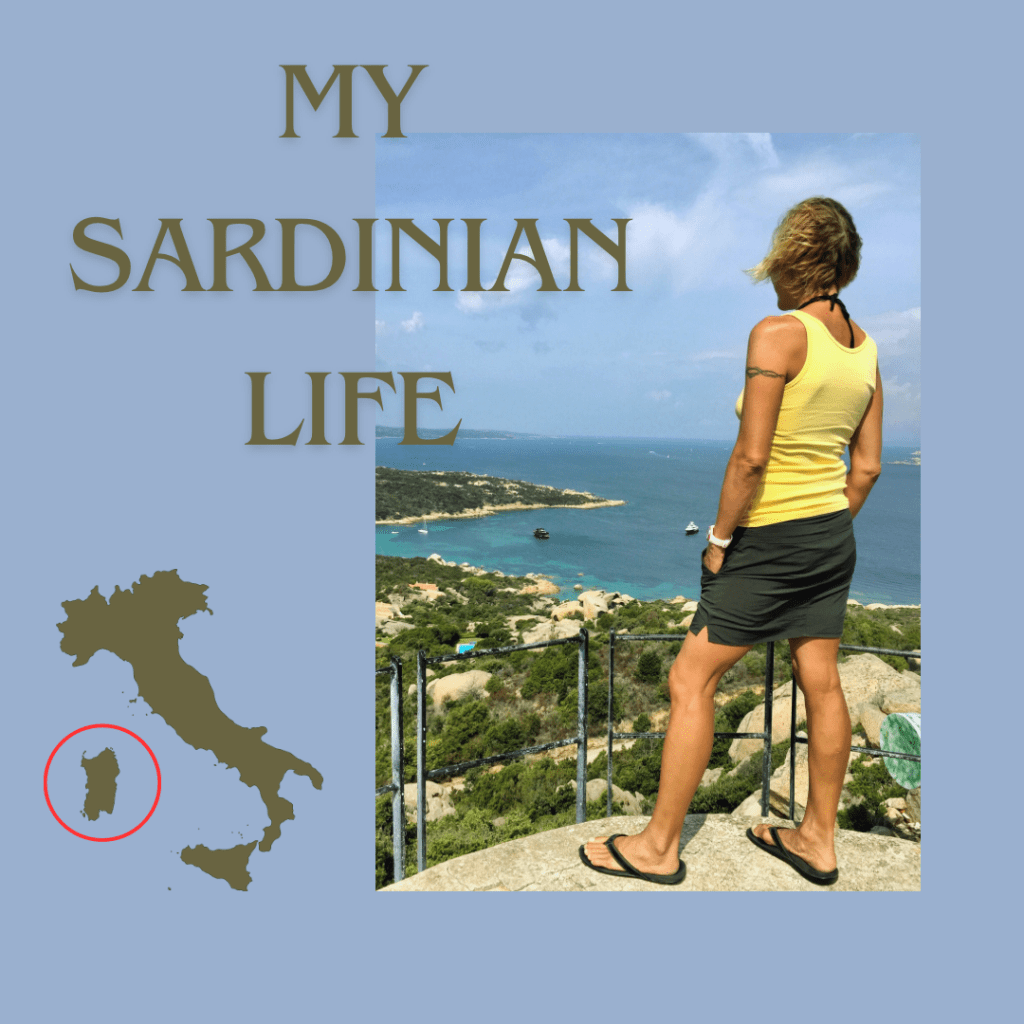
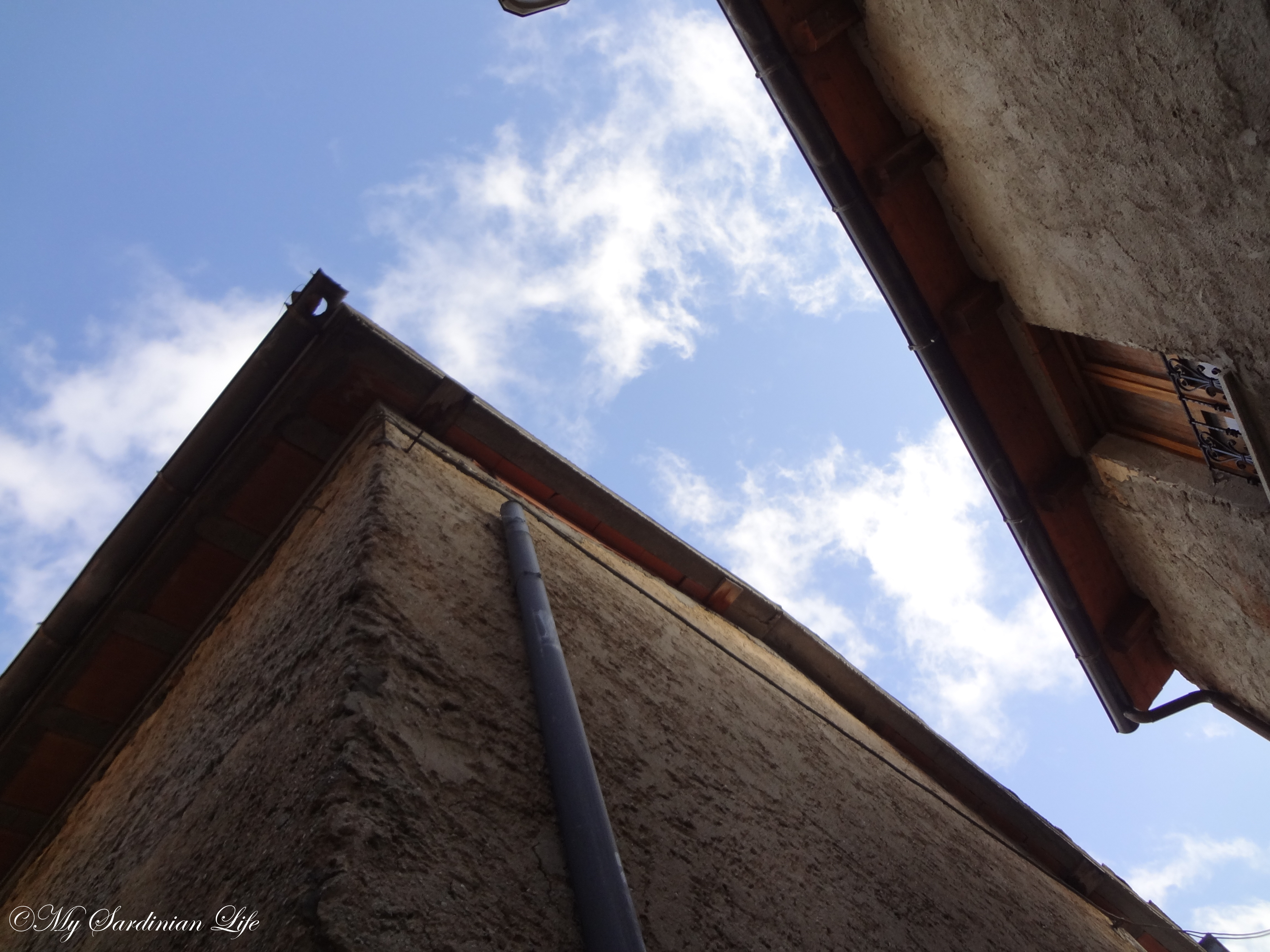 We’ve all dreamed of owning a home on some far-away exotic island where they don’t speak English and life is the clichéd dolce vita. The town of Ollolai, a luscious green zone in the Barbagia region of Sardinia, are now selling abandoned homes for €1. Shocking but true. The internet has lit up from joyous dreamers who want to pack it in and live the la dolce vita, I mean who wouldn’t want a taste of this attainable dream, for only $1.52CAD you too can stop dreaming and make it a reality. But how…?
  Last week, I asked a question on

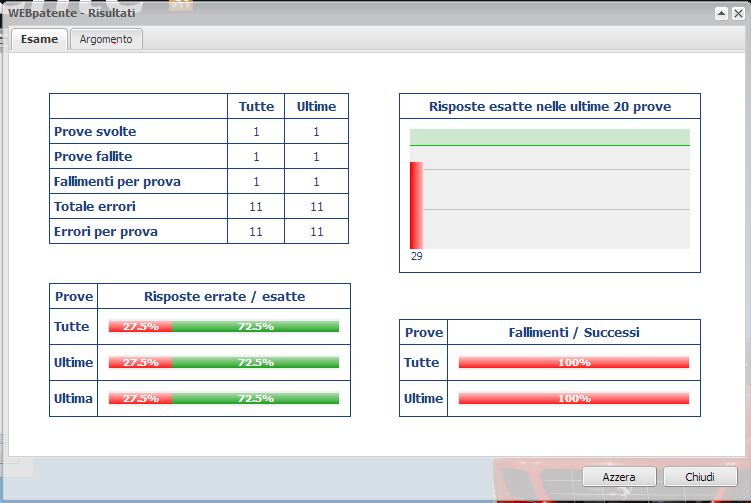
 Driving in Italy is not for the faint of heart. The curves, the speed, the mountains, the goats, cows, dogs and kids, and the dreaded stick shift. I was crowned queen of the road in nineteen-ninety-two in a small town on the outskirts of Niagara Falls, Ontario.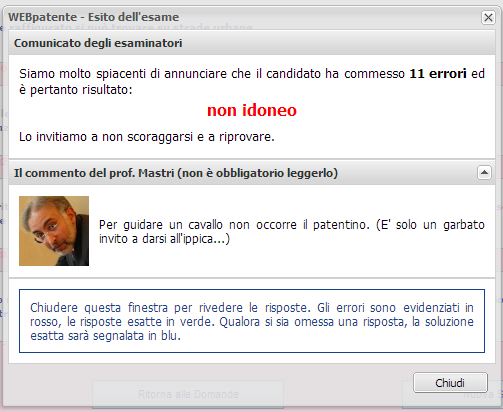
 Schools are without chalk, paper, pens, books and hope. Makeshift schools have been set-up as the cyclone shattered the dreams and walls of young hopefuls.
 My Sardinian Life